
Seeds of Life: Growing Health and Hope in Western Uganda
In the Rwenzori region of western Uganda, good health is not determined by clinical care alone. It is shaped by what happens in homes each day: whether families have safe water, nutritious food, hygienic cooking practices and the knowledge to prevent common illnesses before they become life-threatening.
When Maranatha Health Uganda was founded in 2011, they quickly realised that solutions to the region’s health challenges were first and foremostly going to be found in the day-to-day routines of individual families. In partnership with GDG for project J704N Maranatha Health: high quality care & healthy communities, the project aims to help families build practical habits that protect children’s health and strengthen household resilience.
Simple, locally appropriate solutions make a meaningful difference. Preventative health education covers handwashing, sanitation, safe water, food hygiene, mosquito control and nutrition, helping reduce the risks associated with diarrhoeal disease, malaria and malnutrition.
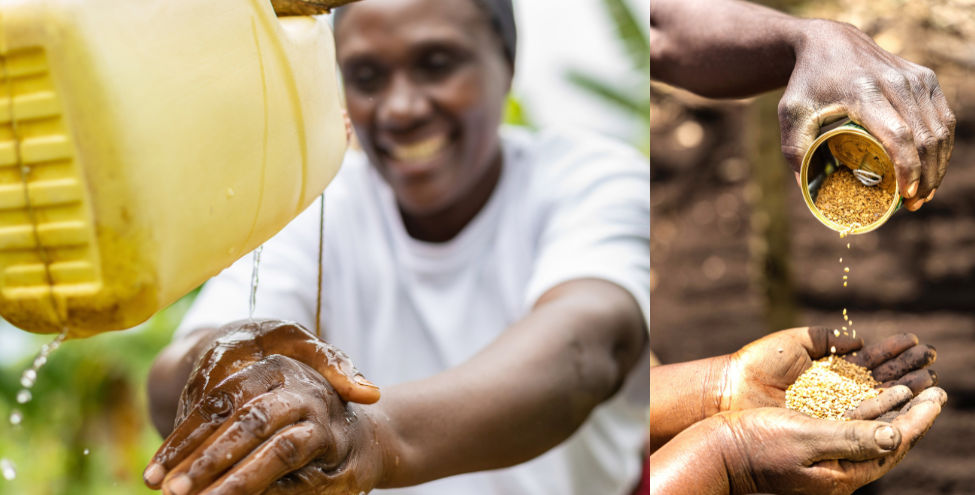
Families are encouraged to establish household latrines and use tippy-taps, foot-operated handwashing stations made from readily available materials. Clean hands prevent a multitude of illnesses. They are taught to boil drinking water, wash raw food thoroughly, keep cooked meals covered from flies, clean utensils with soap and use drying racks to improve hygiene in food preparation areas. These simple hygiene techniques form the first steps to stronger health and disease prevention.
The project also works with families to reduce mosquito breeding grounds and promote the use of bednets. These practical measures help protect children from preventable illness while reducing the time and financial pressure associated with repeated hospital visits.
Nutrition is another important part of the response. Through vegetable seed distributions and education on growing and preparing nutrient-rich food, families are supported to establish home gardens. These gardens can provide accessible vegetables for children’s meals, improve household food security and strengthen parents’ ability to care for their families with dignity.
For children, the impact of better nutrition and fewer preventable illnesses can be significant. A healthier child is more often able to attend school, learn, play and develop with confidence. For parents, improved health means more time for farming, work and family life, rather than repeated trips to clinics or hospitals.
Beyond preventative education, the project also operates a 35-bed paediatric clinic in Fort Portal, providing essential care for children from communities where access to quality health services can be limited.
Maranatha Health Uganda’s approach recognises that lasting health outcomes require both quality treatment and strong community-based prevention. By linking paediatric care with practical education and household support, the J704N Maranatha Health Project is helping families move towards healthier, more secure futures one healthy household at a time.